
 asen-janev-1.jpg
asen-janev-2.jpeg
asen-janev-2.jpg
asen-janev-3.jpeg
asen-janev-3.jpg
asen-janev-6.jpg
asen-janev-7.jpg
asen-janev2.jpeg
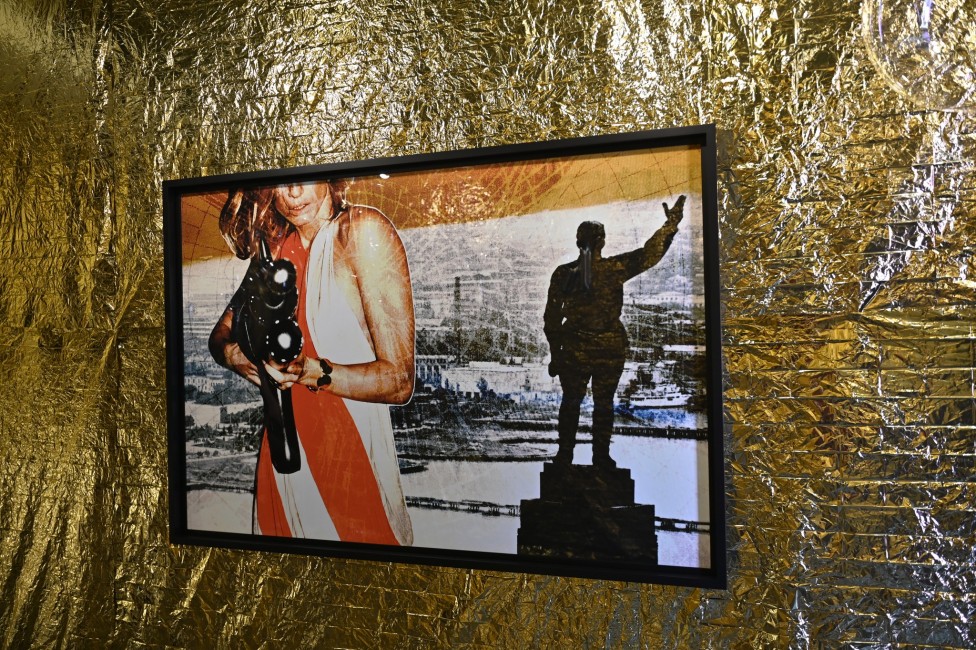
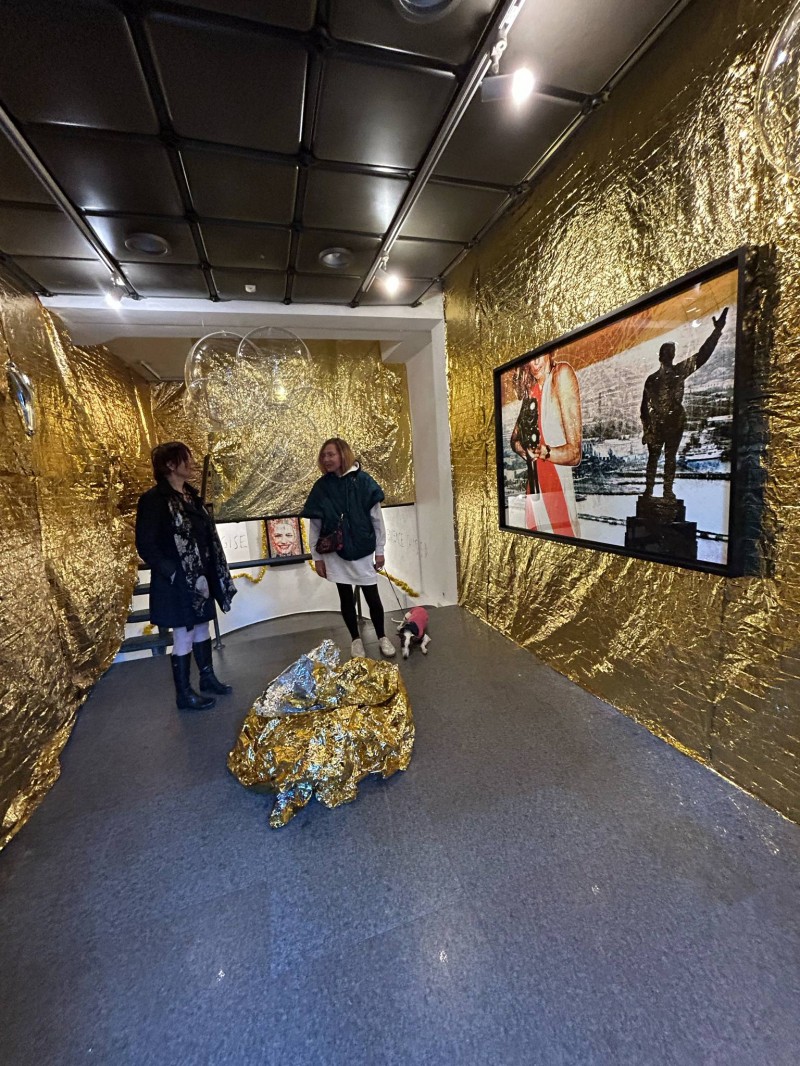
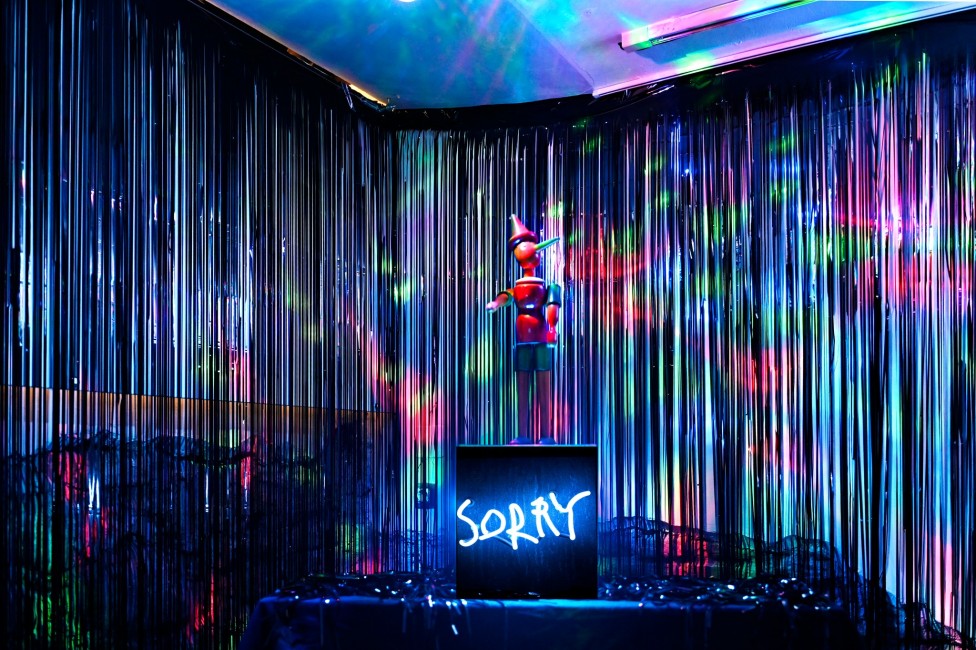
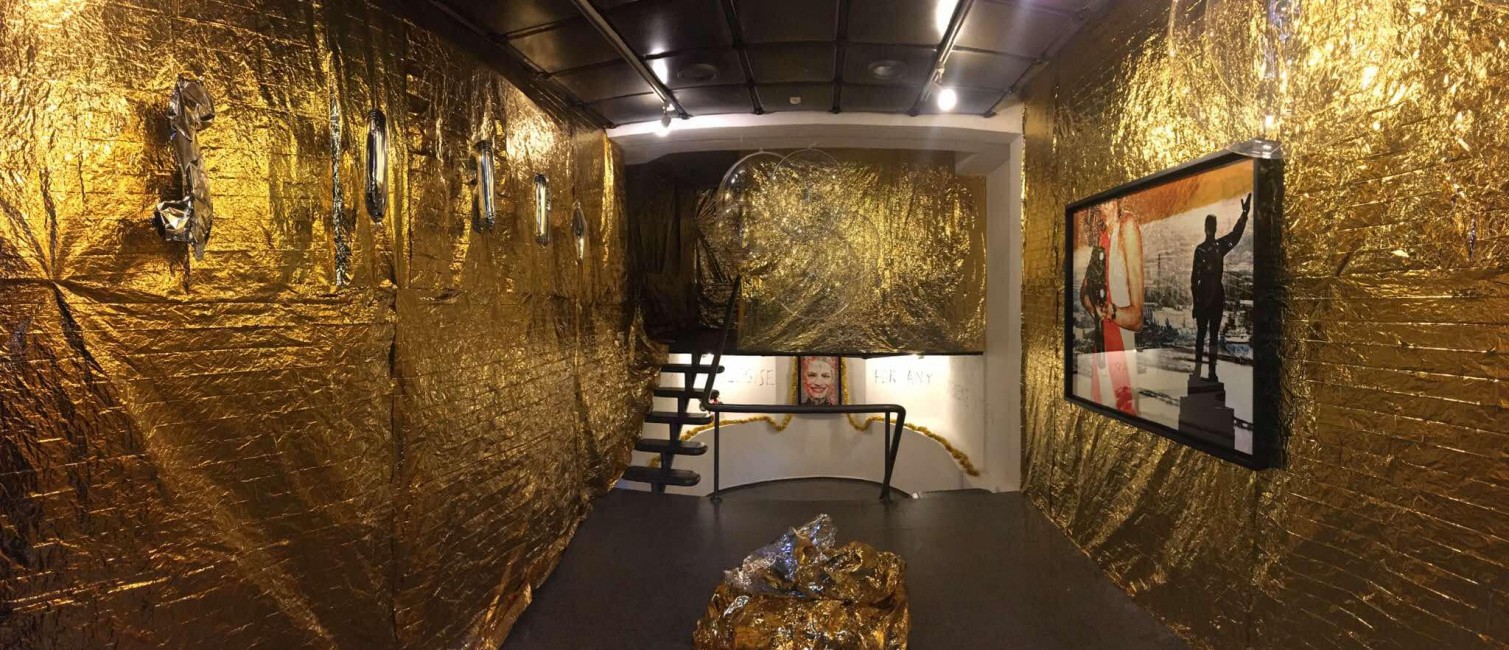
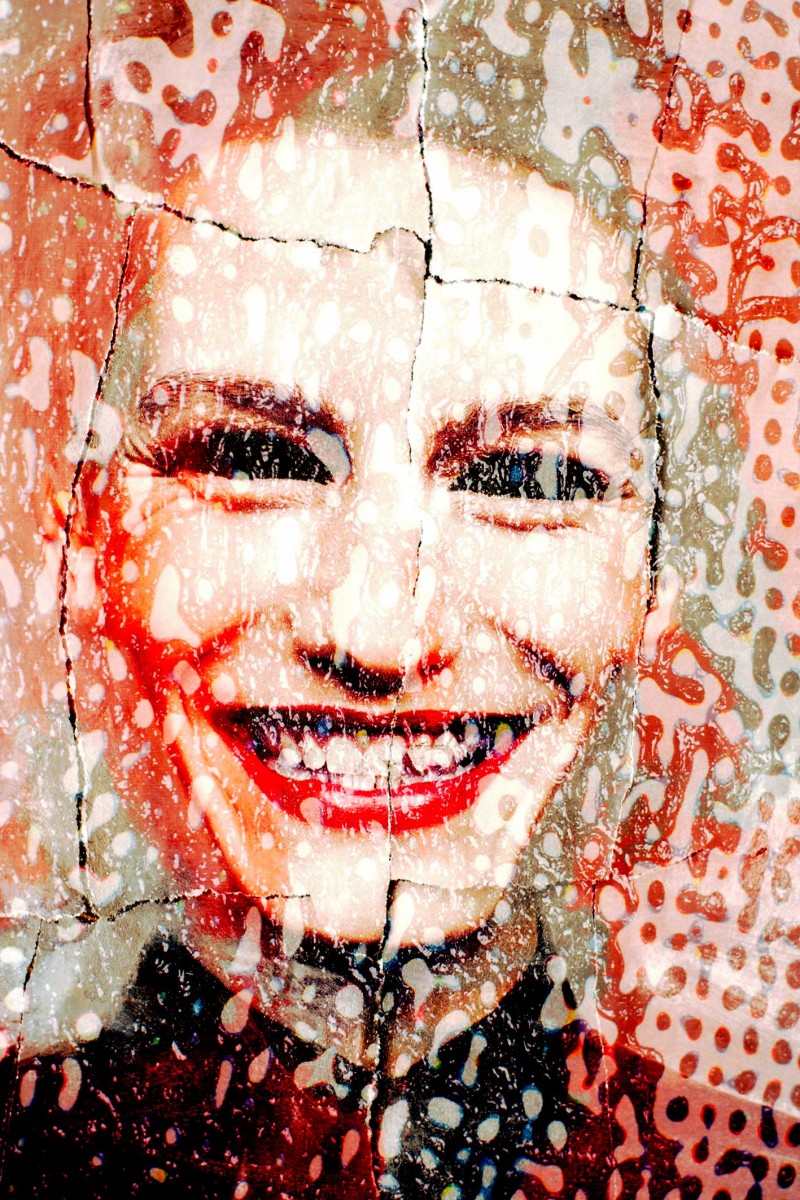
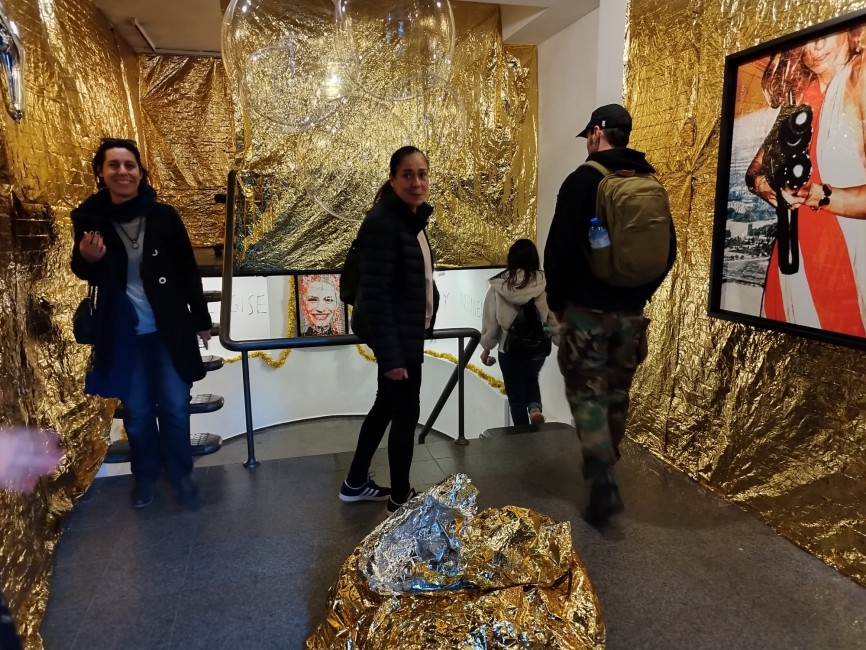
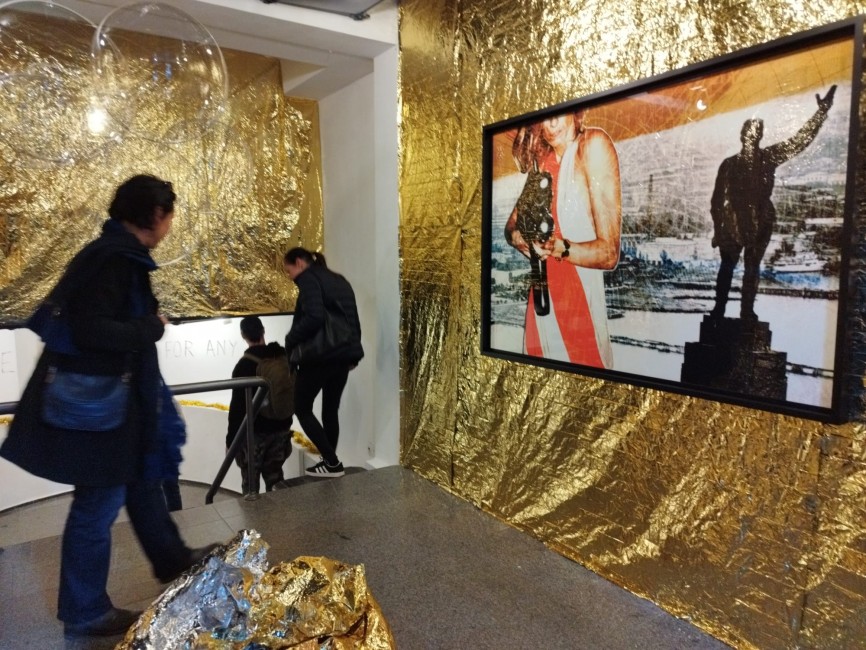
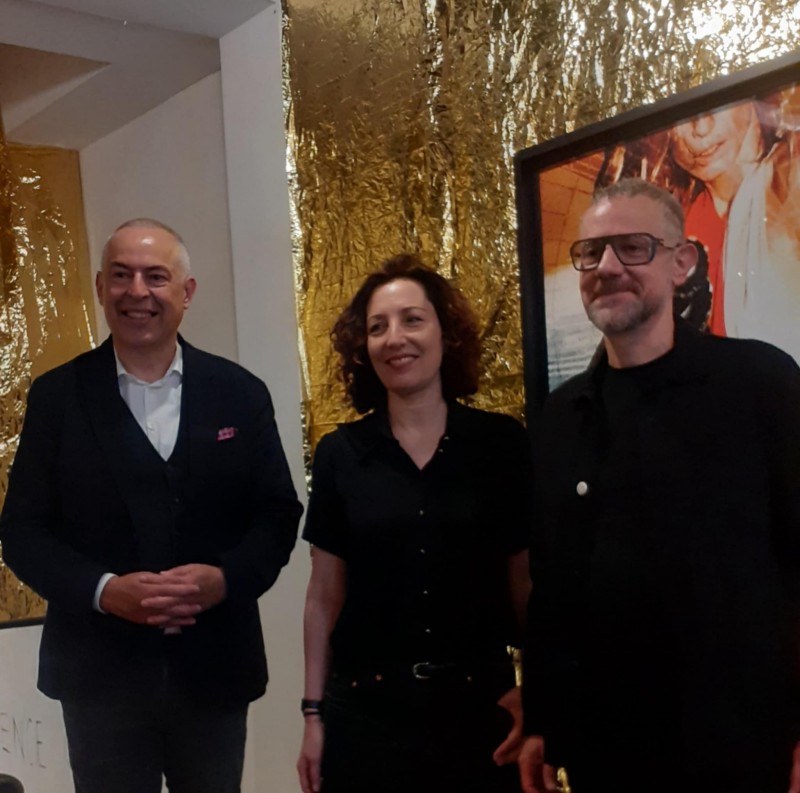


SORRY__I apologize
Assen Janev
08 – 23.05.2025
It isn't easy, it doesn't count if it's easy, it's the hardest thing. Forgiveness.
_Tony Kushner
In the late 1970s, Elton John sang the song "Sorry Seems to Be the Hardest Word". Apologizing was once considered courageous. After all, recognizing the dark side of one's own actions requires humility, self-distancing and the ability to take criticism. An apology represents a personal and intimate matter, linked to a genuine dialog and an authentic interpersonal relationship.
Today, a lot has changed. In our modern "society of the spectacle" - a term coined by French philosopher Guy Debord back in 1967 - public apologies have taken on a new dimension. In the digital and multimedia age, scandals and missteps spread in real time via social media. Public apologies have become an important social ritual that extends far beyond the private sphere. They are shaping a new 'culture of remorse' in which mantra-like apologies serve the expectations of a public hungry for sensation.
Yet the question remains: Is this trend an expression of genuine insight and responsibility? Or is it rather a 'performative ritual', a product of media logic, aimed at minimizing the damage caused and preserving the public image?
The exhibition SORRY__I apologize questions the multi-layered facets of apology in a world where the boundaries between public image, personal responsibility and digital outrage are increasingly blurred. At a time when social networks act as a 'public tribunal' and the Shitstorm serves as an outlet for public outrage, the word 'Sorry' has taken on a central role in both interpersonal and institutional communication. But what does it really mean to apologize when the apology often says more about the use of power, media and the public pressure of digital society than about genuine remorse? The issue becomes even more complex when we consider the public apologies made by states or institutions for historical injustices such as slavery, genocide or displacement. Are these apologies a sincere act of moral responsibility to publicly debate and come to terms with historical memory and guilt? Or are they also rituals through which societies attempt to actively influence their historical narratives and legitimize or correct past injustices?
Another important aspect of public apologies is the cultural significance of forgiveness. In the Abrahamic religions - Judaism, Christianity and Islam - forgiveness is seen as an act of mercy and interpersonal reconciliation. But in an increasingly secular and digitally oriented world, in which mistakes are immediately dealt with in public and judgments are made quickly, the question arises: do these normative aspects still have any place at all? Or have they become an archaic concept that no longer has any relevance?
Against this backdrop, the exhibition SORRY__I apologize invites visitors to enter the complex and ambivalent 'sorry chambers' and reflect on what it really means to take responsibility for one's own actions in a world of constant communication. It encourages us to focus on central themes such as guilt and remorse, and to reflect on the conditions under which individuals, groups or societies are willing to forgive.
_text: Assen Janev
_______
Assen Janev /born in Sofia, studied art and media science, currently based in Basel/ is a multidisciplinary artist working in a variety of media including photography, collage, installation, drawing and painting. The focus of his autobiographically motivated works is on the explosive nature of human existence shaped by temporal and spatial simultaneity. His works reflect his commitment to the diversity, the incompatibilities and the contradictions of the world we live in today. They are the external view of an internal resonance space and a polyphonic deconstruction of convictions and certainties. What is revealed in them is the possibility, the potential, the interface between something real and its representation. In this way, different contexts come together to form a complex whole that nevertheless remains a fragment.